Last updated:
Why daytime use matters
A business is often a better fit for solar than a home, because the building is busy while the sun is up. Every unit the panels make that the building uses straight away replaces electricity bought at your business rate. Units exported to the grid are worth far less. So the starting point for a commercial design is your daytime demand, taken from half-hourly data or recent bills, not the size of the roof.
Buildings we work on
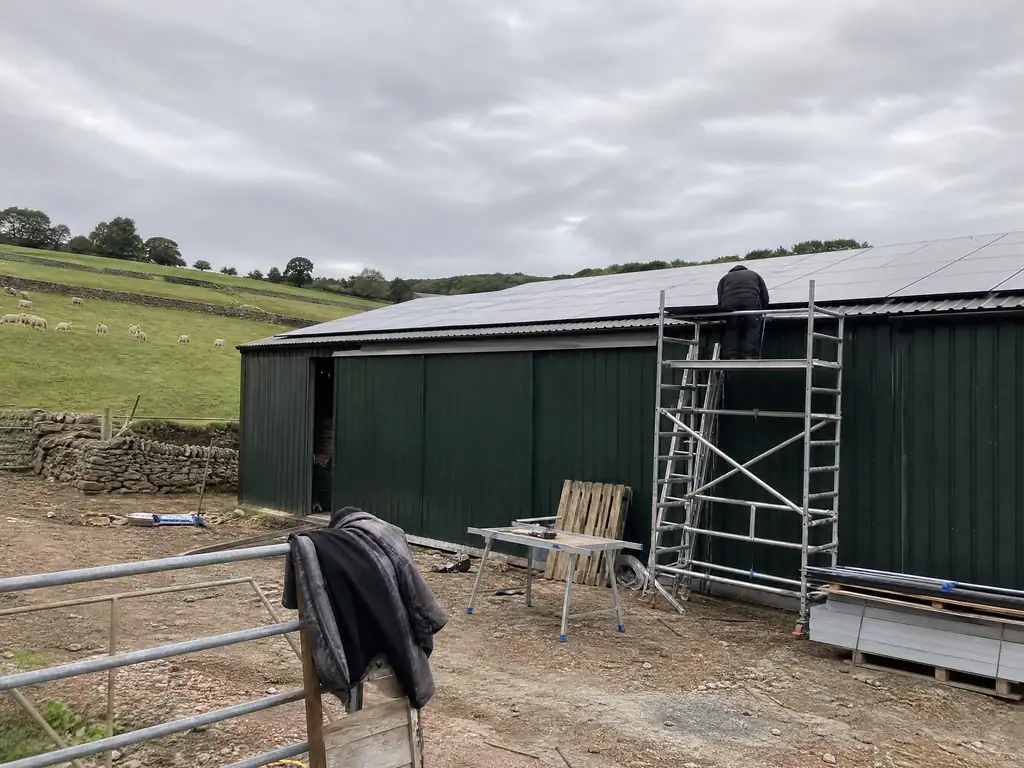
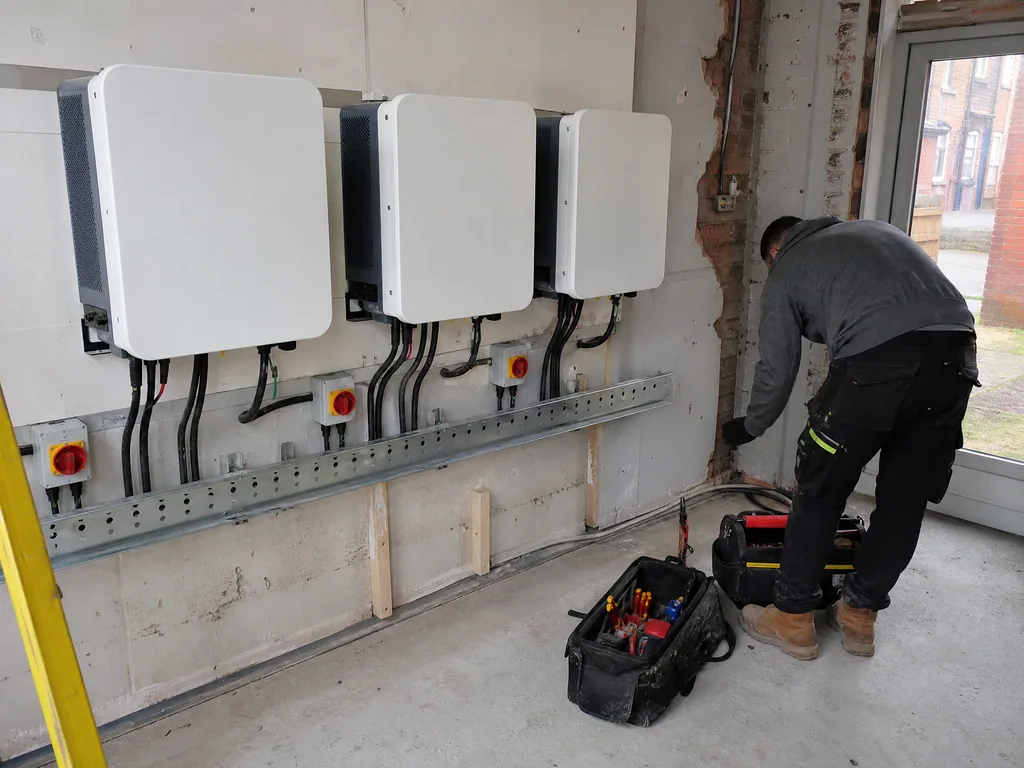
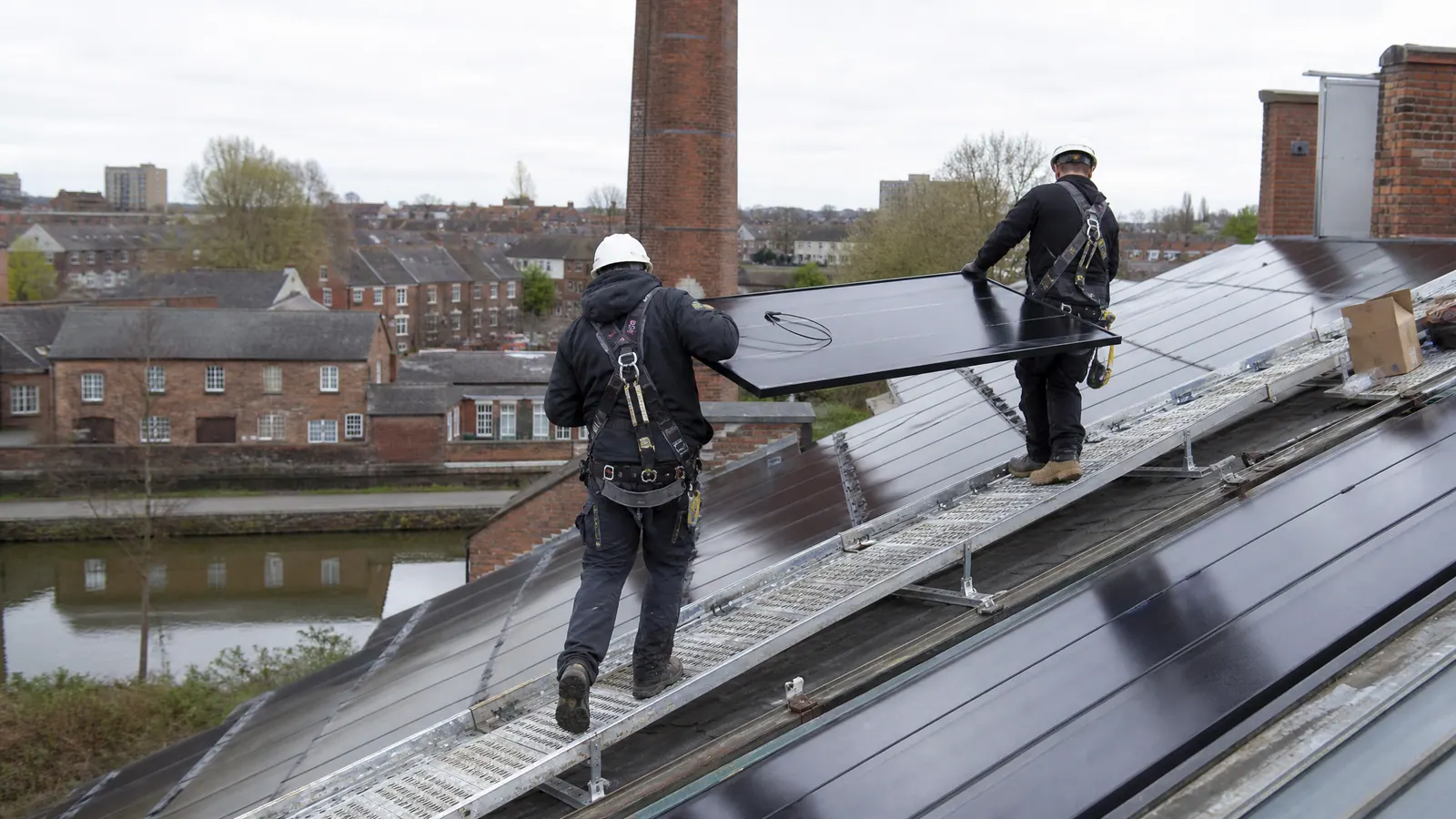
Workshops, small industrial units, offices, shops and farm buildings are typical. Each has its own points to check: the strength of a steel-framed or older roof, access for equipment, fragile roof lights, and where the inverters and isolators can go safely.
The network connection
Every system in Derby connects to the network run by National Grid Electricity Distribution, the operator for the East Midlands (National Grid). Small systems are notified after installation, but larger commercial systems need approval before connection, and that can take time. We submit the application early in the project so it doesn’t hold up the install.
VAT and costs
HMRC’s 0% VAT rate for solar applies to residential accommodation and buildings used solely for relevant charitable purposes (HMRC VAT Notice 708/6). Business installations are charged VAT at the standard rate. Because commercial systems vary so much in size, we don’t publish a single price here. You get a written quote after the site survey, with the expected yearly generation for your roof from PVGIS.
Batteries and EV charging
A battery can help where use continues after dark or where demand peaks at certain times of day. For businesses running electric vans or offering charging to staff, EV charger installation and solar battery storage can be designed alongside the panels.
What's included
- A review of half-hourly or monthly electricity data
- A roof survey covering structure, access and shading
- A system design sized to daytime use
- Expected generation using PVGIS figures for the site
- The network connection application where needed
- Installation planned around your working hours
- Monitoring set up so you can see output and use
- A written quote before anything is ordered
How the options compare
Power used on site
- No solar
- None generated
- Roof filled with panels
- Often a smaller share
- Sized to daytime demand
- Most of it
Network approval
- No solar
- n/a
- Roof filled with panels
- More likely to need a longer approval
- Sized to daytime demand
- Sized with the connection in mind
Payback
- No solar
- n/a
- Roof filled with panels
- Slower if much is exported
- Sized to daytime demand
- Faster, because on-site use saves the most
Disruption
- No solar
- None
- Roof filled with panels
- Varies
- Sized to daytime demand
- Planned around your hours